Lightsabers, space battles, deep stories, and pure chaos with the Force. Star Wars games have done it all, and done it well. This list brings together the very best Star Wars games, from classic RPGs to modern action hits, so that you can find your next adventure in a galaxy far, far away.
LEGO Star Wars: The Complete Saga
You probably remember this one, or at least the chaos of smashing everything in sight to find studs. The Complete Saga bundles the first two LEGO Star Wars games and lets you relive Episodes I through VI in one go. From podracing on Tatooine to the final showdown in Return of the Jedi, it’s all here, just with way more slapstick humor.
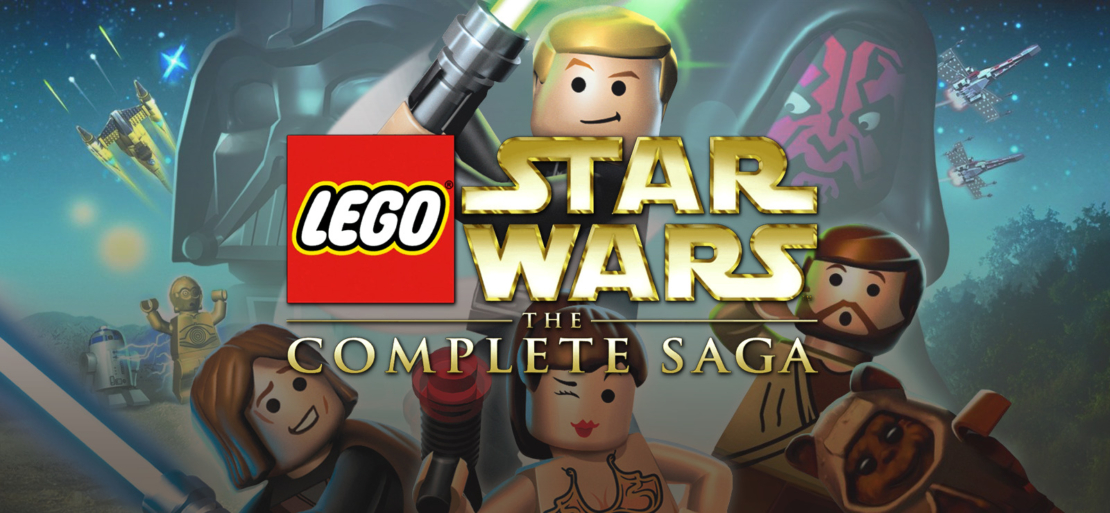
It effortlessly turns iconic moments into something playful. Lightsaber duels become brick-breaking brawls, dramatic scenes get a comedic twist, and even the most serious characters end up part of the joke. The gameplay is simple in the best way. You fight, solve light puzzles, and collect an absurd number of studs. It never gets stressful, making it easy to jump in at any time. And thanks to that timeless LEGO look, it still feels surprisingly fresh today.
LEGO Star Wars III – The Clone Wars
This is where things start to get more ambitious. The Clone Wars doesn’t just follow the movies but dives into the animated series, giving you a different side of the Star Wars universe. You still get the classic mix of combat and puzzles, but now there’s more going on. Boss fights are more dynamic and feel like proper encounters rather than quick gimmicks. On top of that, the game introduces larger battles where you control troops and push across the battlefield.
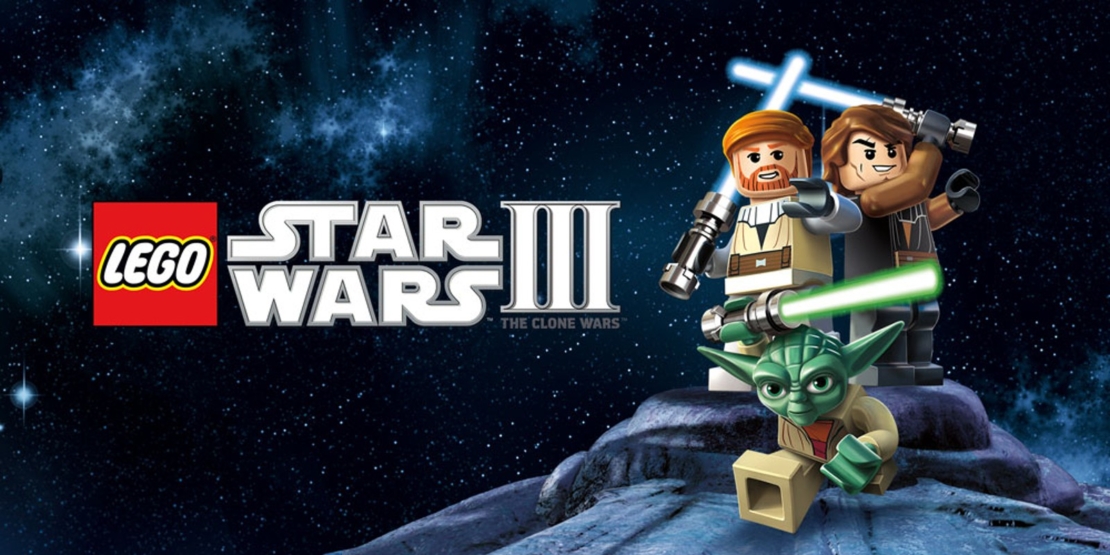
That’s the twist here. For the first time, there are light real-time strategy elements. You’re not just swinging a lightsaber but also thinking about positioning, capturing objectives, and managing units as the fight unfolds. Co-op also feels more meaningful. You and the other person can split up, tackle different objectives, and still contribute to the same mission. It adds a level of freedom that the earlier games didn’t quite have.
LEGO Star Wars: The Force Awakens
When the sequel trilogy hit theaters, it was only a matter of time before it got the LEGO treatment. The Force Awakens lets you step into the roles of Rey, Finn, and Kylo Ren and play through the events of Episode VII. The biggest upgrade is the presentation. The game looks noticeably sharper, with more detailed environments and smoother character models. Faces feel rounder, animations cleaner, and everything just pops a bit more.
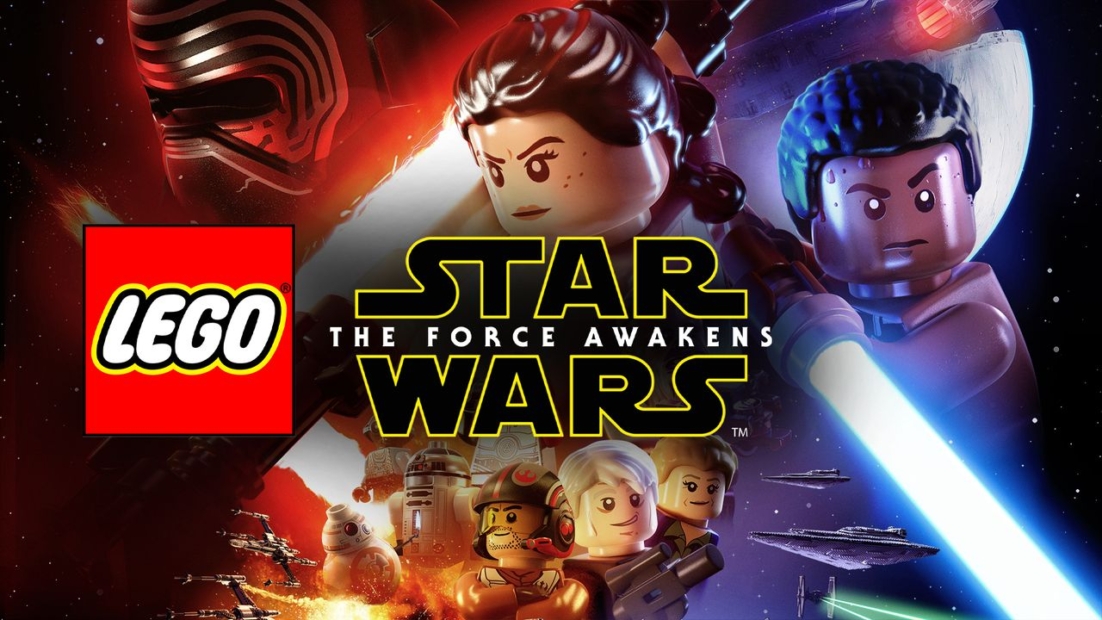
But the real highlight is the voice acting. Unlike earlier entries that leaned heavily on mumbling and visual comedy, this one features full dialogue, much of it taken directly from the film. It gives the story more weight while preserving that classic LEGO charm. There are also small gameplay additions, such as cover-based shooting sections, which mix things up without overcomplicating the formula.
LEGO Star Wars: The Skywalker Saga
The Skywalker Saga takes everything that came before and turns it into a massive playground spanning all nine films. You can jump between trilogies, explore different planets, and replay countless iconic moments. It feels less like a series of levels and more like a full Star Wars sandbox built from bricks. The gameplay has been reworked quite a bit. Combat is more fluid, with combos, aiming, and a slightly deeper system. It still stays accessible, but there’s more to engage with if you want it.
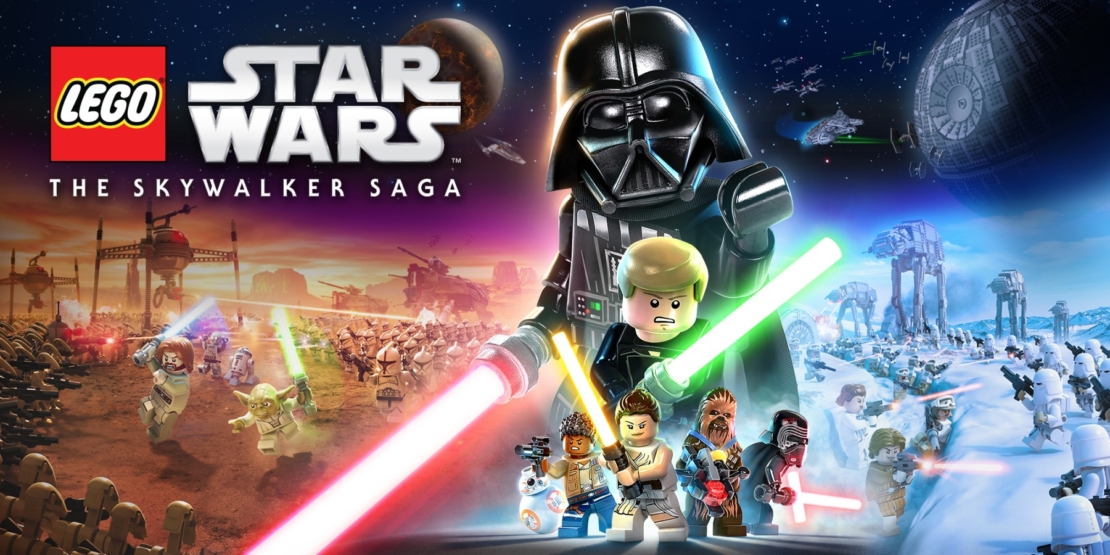
One thing you’ll notice is that the structure has changed. Levels are more interconnected, and you often play through longer sequences rather than short, isolated missions. This keeps you immersed and makes the whole experience feel more like a continuous adventure. What really makes it stand out is the scale. Every era, every major character, and almost every memorable scene are packed into one game. It’s less about quick sessions and more about getting lost in the galaxy for hours.
Star Wars Battlefront II
Blaster fire, exploding walkers, and full-scale galactic warfare. Battlefront II throws you straight into the chaos that defines Star Wars. What sets this one apart is its campaign. Instead of playing the usual hero, you step into the boots of Iden Versio, an elite Imperial soldier. The story kicks off right after the destruction of the second Death Star and shows you the Empire’s collapse from the inside. That perspective alone makes it stand out from most Star Wars stories.
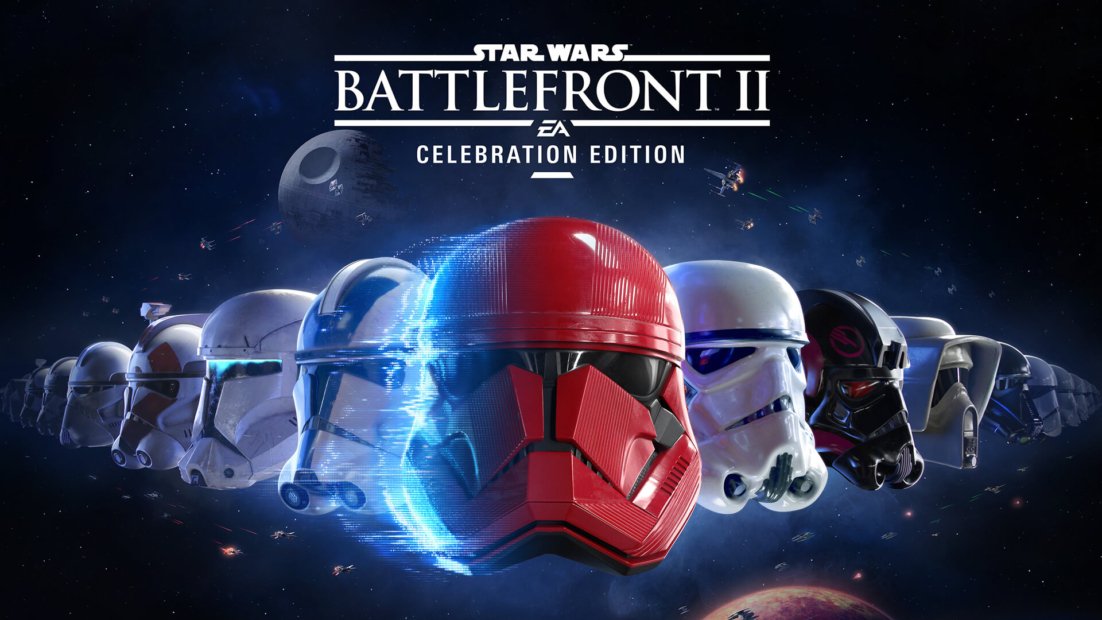
You get massive battles across iconic locations, switching between classes, vehicles, and even legendary heroes and villains. One moment you’re a standard trooper, the next you’re charging into battle as Darth Vader or Luke Skywalker. Compared with the older Battlefront games from the early 2000s, this version goes all in on action. It’s less about strategy and more about cinematic, fast-paced combat that makes you feel like you’re part of the movies.
Star Wars Jedi: Fallen Order
This is where Star Wars games slow things down and get more personal. Fallen Order puts you in control of Cal Kestis, a young Jedi trying to survive after Order 66 wiped out most of the Jedi Order. Instead of huge battles, you get a focused, story-driven adventure. You explore different planets, uncover secrets, and slowly rebuild your connection to the Force. Your ship becomes a home base, and your crew gives the journey a grounded, almost cozy feel despite the danger.
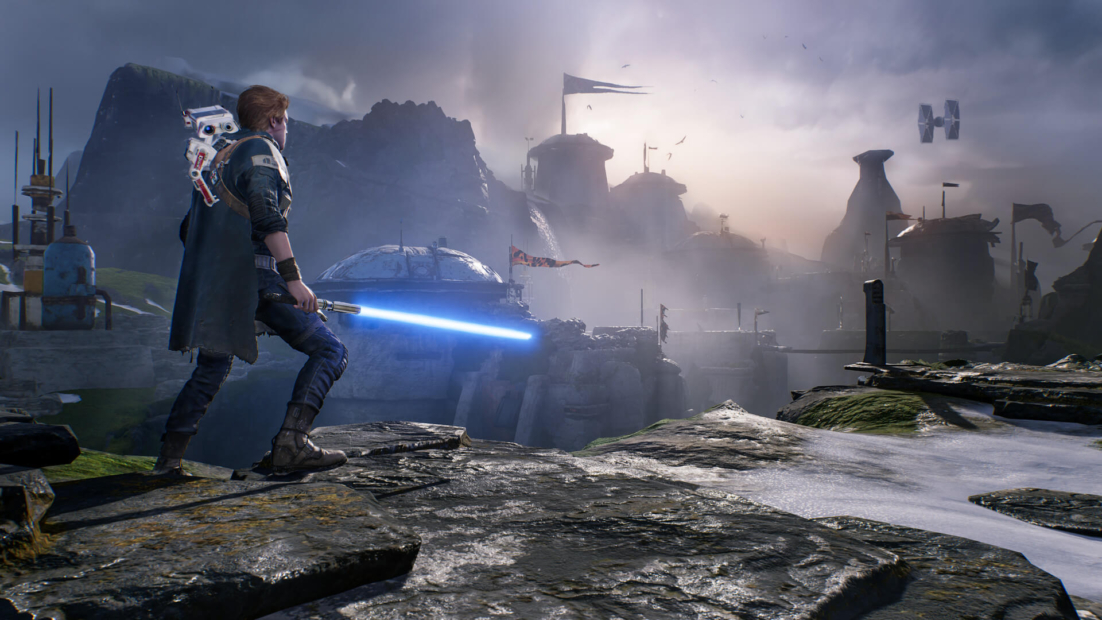
Combat is the real highlight. Lightsaber fights aren’t just flashy; they demand timing, patience, and skill. Every enemy can push you if you’re careless, making each victory feel earned. It blends exploration, platforming, and challenging combat into something that feels closer to an action-adventure game with a bit of Souls-like tension. You’re not an unstoppable hero. You have to grow into one.
STAR WARS: Squadrons
Ever wanted to sit in the cockpit of an X-wing and actually feel the pressure of a dogfight? Squadrons delivers exactly that. This game focuses entirely on space combat and takes that role seriously. Power management, positioning, and teamwork matter far more than quick reflexes and shooting alone. It feels more like a proper flight experience than an arcade shooter.
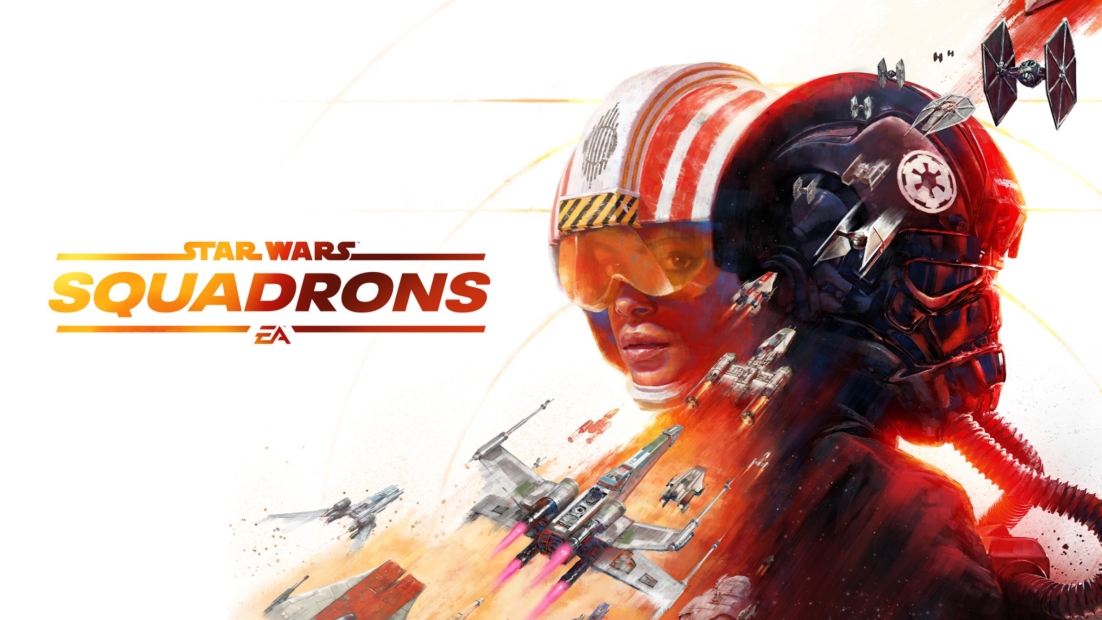
In VR, it becomes something else entirely. Sitting in the cockpit as TIE fighters rush past you is about as immersive as Star Wars gets. But even without VR, the game holds up as a tight, rewarding space combat sim. You switch between the New Republic and the Empire, flying iconic ships on both sides. Every match becomes a tense battle of strategy and skill, where coordination often matters more than raw aim.
STAR WARS Jedi: Survivor
Jedi Survivor builds directly on Fallen Order and pushes everything further. The story takes place a few years later, at the height of Imperial control. Cal is stronger now but more hunted than ever. His journey feels heavier, and the stakes are higher. Combat retains the same deliberate style while adding more variety. New lightsaber stances, expanded Force abilities, and tougher enemies give you more ways to approach every fight. Boss battles still hit hard and demand your full attention.
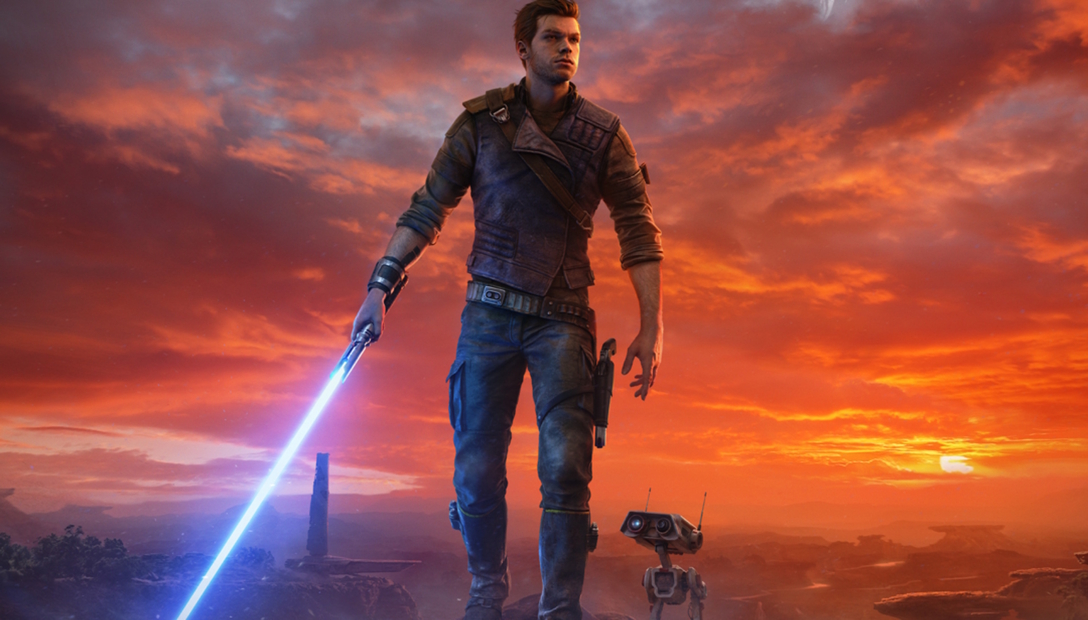
Exploration also gets a major upgrade. Planets are larger, movement is smoother, and you can use creatures and mounts to get around. This makes the galaxy feel more alive and less like a series of isolated levels. And yes, there are surprises. Familiar faces show up in ways you might not expect, and the game clearly enjoys playing with your expectations without giving everything away.
STAR WARS Empire at War
This is the moment Star Wars RTS truly found its footing. Empire at War takes the big ideas from earlier strategy games and turns them into something far more polished and satisfying. You’re still commanding fleets and armies, but now everything feels smoother and more dynamic. You can zoom out to manage the galaxy, then jump straight into real-time battles on land or in space.
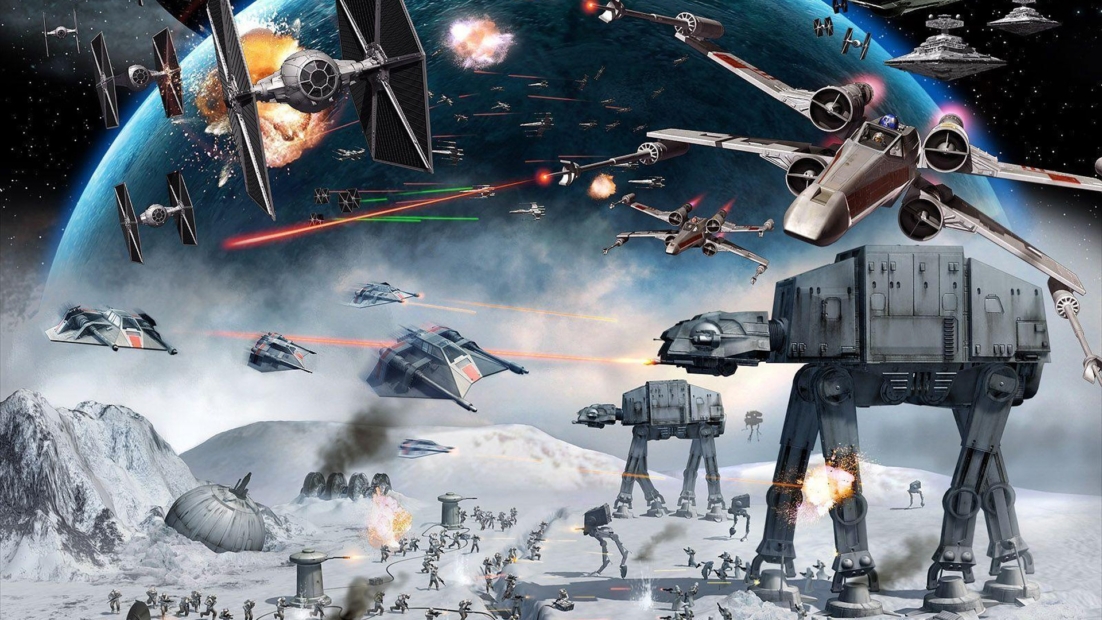
And those space battles are the real highlight. Watching Star Destroyers and Rebel cruisers clash while you control every move feels right. Positioning and timing matter, and pulling off a perfect attack is incredibly rewarding. There is plenty to do. Campaigns, skirmishes, and the large-scale Galactic Conquest mode give you tons of ways to play. It’s the kind of game where you sit down for one mission and suddenly realize hours have passed.
Star Wars Jedi Knight II – Jedi Outcast
Now we switch gears completely. Jedi Outcast is where lightsaber combat truly shines in 3D. You play as Kyle Katarn, a former Jedi rediscovering his connection to the Force. The game blends shooting and lightsaber combat, but once you unlock that saber, everything changes.
Fights become fast, chaotic, and incredibly satisfying. Deflecting blaster bolts, using Force powers, and cutting through enemies feel powerful in a way earlier games never quite managed. It may lack the cinematic cutscenes of its predecessors, but the moment-to-moment gameplay more than makes up for it. This is where being a Jedi starts to feel truly fun.
Star Wars Jedi Knight: Jedi Academy
Jedi Academy builds on what worked in Jedi Outcast and gives you more freedom. Instead of following a fixed character, you create your own Jedi and train under Luke Skywalker. From the start, you shape your playstyle by choosing which Force powers to develop.
The combat feels smoother and less clunky, and the added customization makes a huge difference. You’re not just playing a Jedi, but building your own version of one. Missions are more flexible, too. You can choose what to tackle next, which adds variety and keeps things from feeling repetitive. It doesn’t reinvent the formula, but it refines it in all the right ways.
Star Wars Knights of the Old Republic
This is where Star Wars storytelling reaches another level. Knights of the Old Republic is a full-blown RPG that drops you into an original story set thousands of years before the movies. You’re not reliving familiar events. You’re shaping your own journey. Your choices matter, your alignment shifts between light and dark, and the people around you react to your actions.
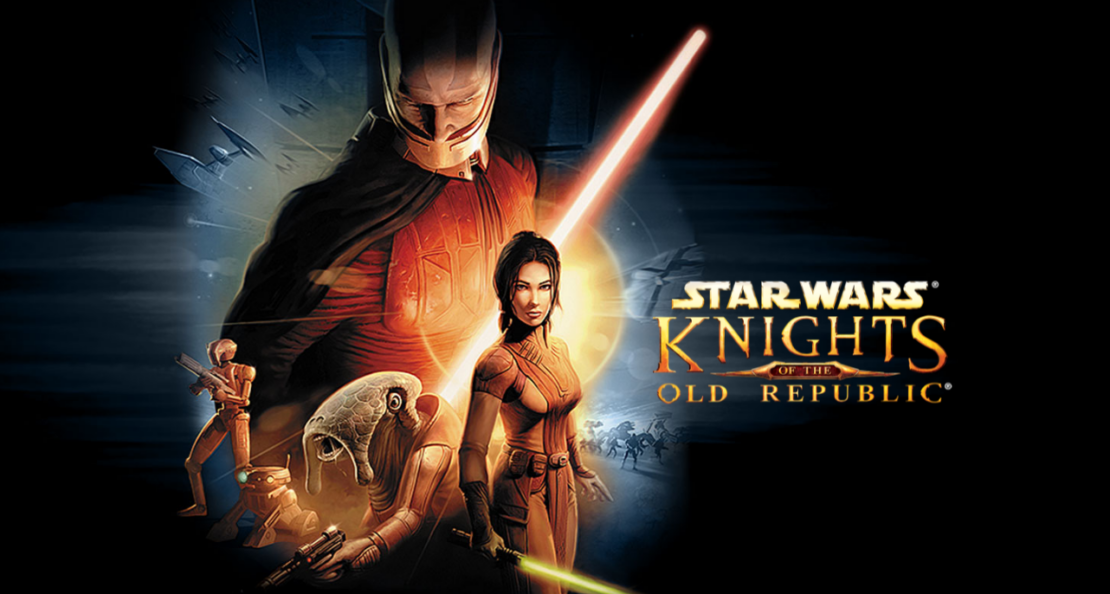
The writing is the real star here. Companions feel like real characters, not just sidekicks, and the story builds toward one of gaming’s most memorable twists. The kind that makes you sit back and rethink everything you’ve done so far. It blends classic RPG mechanics with Star Wars in a way that still holds up today. If you care about story and player choice, this is one of the most important games in the entire franchise.
Star Wars: Knights of the Old Republic II – The Sith Lords
Following up a game like KOTOR isn’t easy, but The Sith Lords takes a bold approach. Instead of trying to outdo the original in scale, it goes deeper and darker. The story questions what it even means to follow the Force, and the tone feels more complex and introspective.
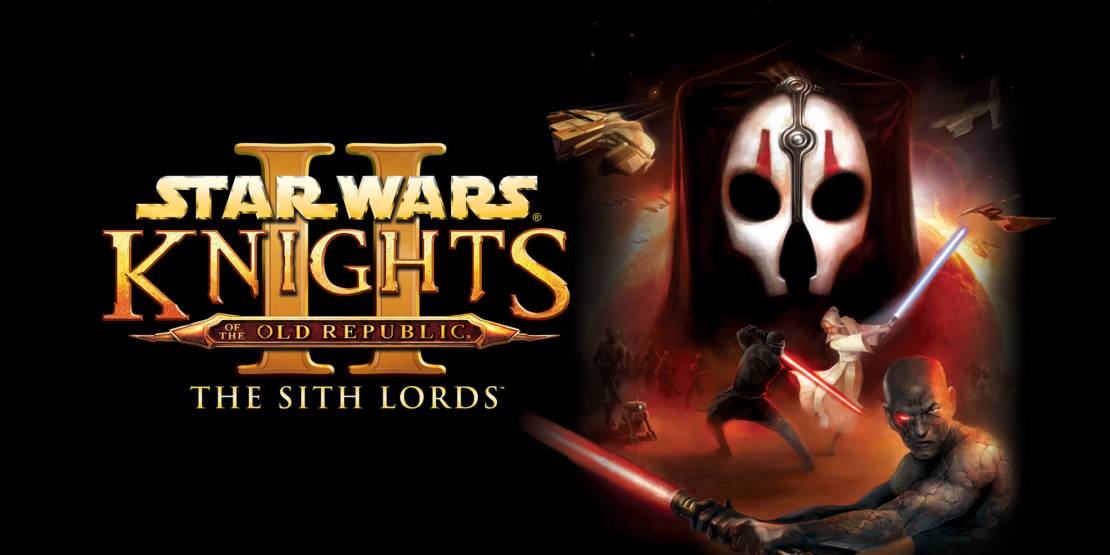
Gameplay builds on the first game, refining systems and progression while preserving the same choice-driven structure. Your decisions still shape everything, but the consequences now feel heavier. It may not have the same immediate impact as its predecessor, but it offers a more layered experience that many fans have come to appreciate even more over time.
Star Wars – The Force Unleashed
This is where Star Wars goes full power fantasy. The Force Unleashed casts you as Galen Marek, also known as Starkiller, Darth Vader’s secret apprentice. Instead of slowly learning the Force, you start out already dangerous and only get stronger from there. You hurl enemies across rooms, rip objects from the environment, and cut through entire groups like it’s nothing.
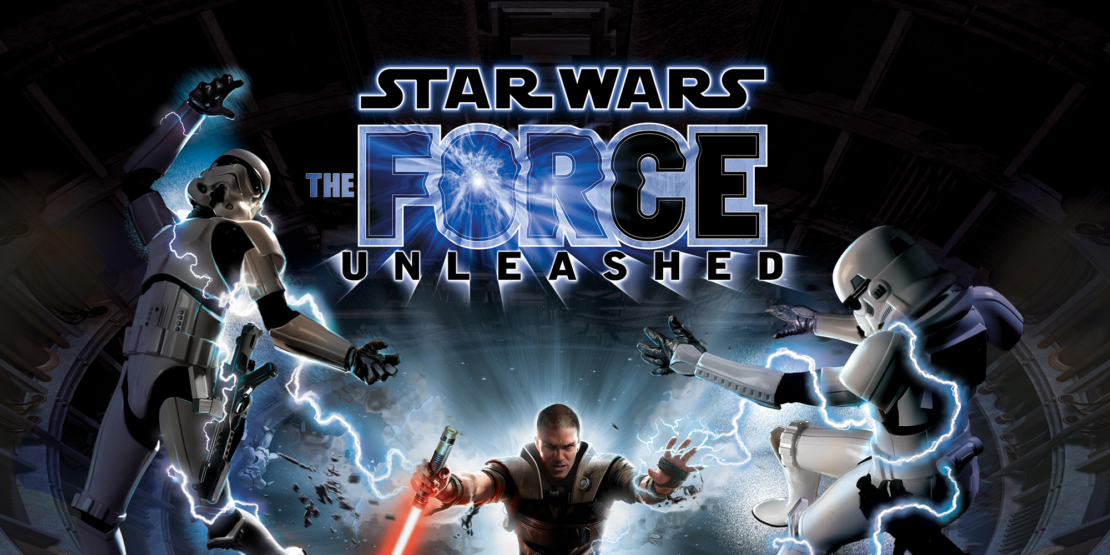
The story takes place between Episodes III and IV and explores a darker side of the galaxy. You’re not a hero trying to save the day. You’re being trained by one of the most feared figures in Star Wars, carrying out missions that are anything but noble. What makes it stand out is its sense of raw power. Few Star Wars games let you go this wild with the Force. It’s less about precision and more about chaos, and that’s exactly why it’s so much fun.
Star Wars: The Force Unleashed II
The sequel doubles down on that idea. Bigger powers, faster combat, and even more enemies to tear through. This time, you play as a clone of Starkiller, which already gives the story a slightly strange and mysterious edge. The timeline picks up shortly after the first game, and once again, you are thrown into intense, action-heavy encounters.
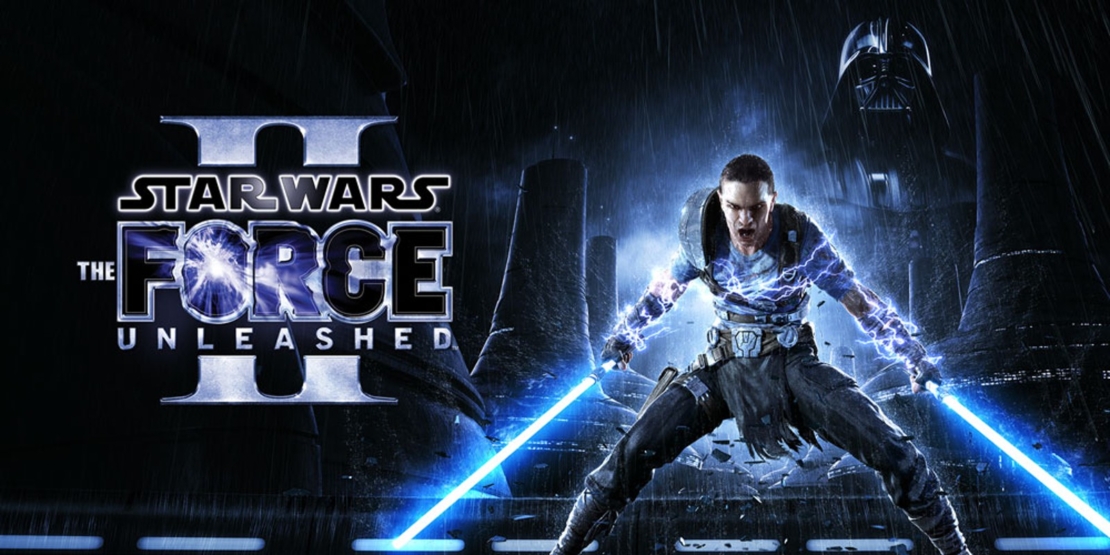
Combat feels smoother and more responsive. Abilities hit harder, animations are flashier, and the overall pacing is quicker. It leans even further into that hack-and-slash feel, with you constantly moving, attacking, and overwhelming anything in your path. The downside is its length. You can get through the story fairly quickly, but what is there is pure, focused action. If you enjoyed the first game’s combat, this gives you more of it without slowing things down.
Star Wars Outlaws
Now for something completely different. Outlaws steps away from Jedi, Sith, and the Force almost entirely, instead throwing you into the galaxy’s criminal underworld. You play as Kay Vess, a scoundrel trying to build a new life while staying one step ahead of crime syndicates and the Empire. That alone makes it feel fresh. No lightsabers, no Force powers, just blasters, gadgets, and street smarts.
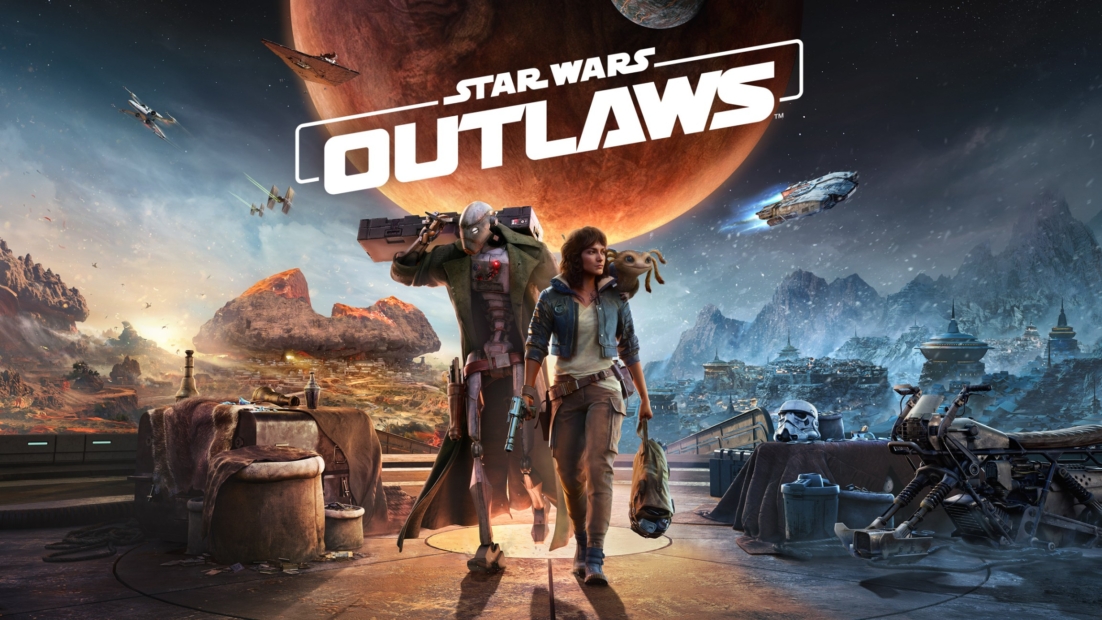
You travel between planets, explore cities and cantinas, and take on jobs ranging from sneaky infiltrations to risky heists. Whether riding across wide landscapes on your speeder or slipping through an Imperial base, the open world gives you a strong sense of freedom. Gameplay-wise, it sticks to a familiar action-adventure formula. Stealth is fairly simple but works well, combat is solid, and the ability to pick up powerful temporary weapons keeps fights interesting. It captures that scoundrel fantasy better than any Star Wars game before it, even if it has a few rough edges.
You might also like:
PakarPBN
A Private Blog Network (PBN) is a collection of websites that are controlled by a single individual or organization and used primarily to build backlinks to a “money site” in order to influence its ranking in search engines such as Google. The core idea behind a PBN is based on the importance of backlinks in Google’s ranking algorithm. Since Google views backlinks as signals of authority and trust, some website owners attempt to artificially create these signals through a controlled network of sites.
In a typical PBN setup, the owner acquires expired or aged domains that already have existing authority, backlinks, and history. These domains are rebuilt with new content and hosted separately, often using different IP addresses, hosting providers, themes, and ownership details to make them appear unrelated. Within the content published on these sites, links are strategically placed that point to the main website the owner wants to rank higher. By doing this, the owner attempts to pass link equity (also known as “link juice”) from the PBN sites to the target website.
The purpose of a PBN is to give the impression that the target website is naturally earning links from multiple independent sources. If done effectively, this can temporarily improve keyword rankings, increase organic visibility, and drive more traffic from search results.
Comments are closed, but trackbacks and pingbacks are open.