In Fatekeeper, you explore a dangerous fantasy world filled with magic, brutal combat, hidden paths, and strange secrets. With our Fatekeeper tips and tricks, you’ll learn to survive combat, use your spells effectively, and uncover more of the rewards the world tries to hide from you.
Mechanics Overview and What to Avoid
In Fatekeeper, your biggest early mistake is usually overcommitting. Stamina governs your attacks, dodges, blocks, and recovery, so don’t empty the bar just to squeeze in one more hit. A short combo with enough stamina to escape is safer than getting stuck after a greedy swing.
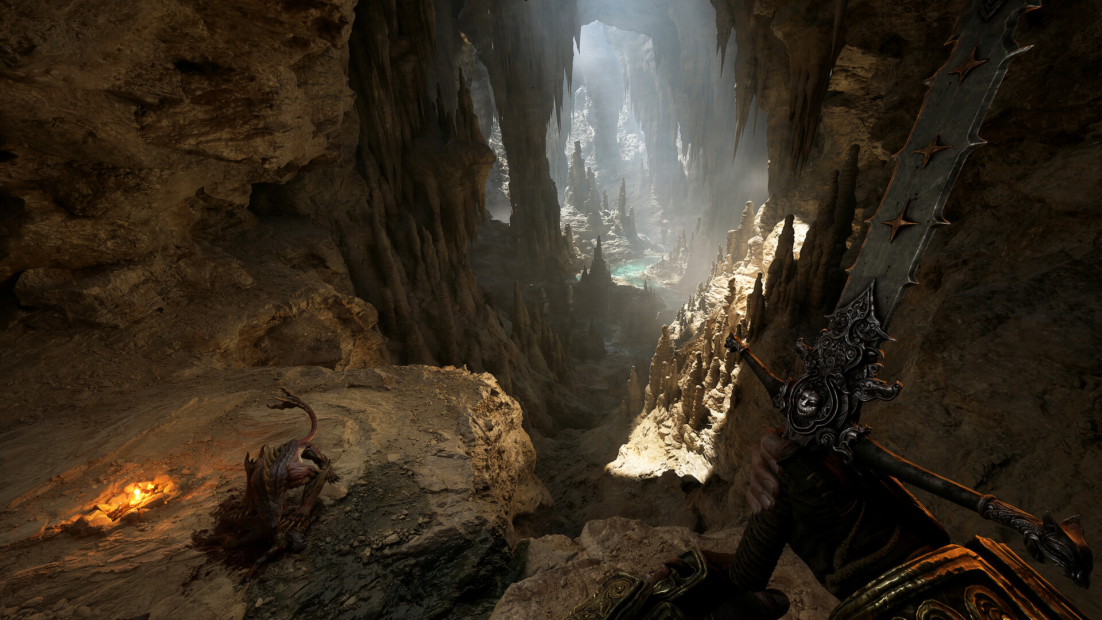
Block works best when you see a slower attack coming. Use it to survive the hit and create your own opening, not as something you hold forever. If an enemy hides behind their guard or stands near a ledge, switch to kick instead of wasting stamina on normal attacks.
Telekinesis can pull enemies, shift the fight, and move certain objects, making it useful in both combat and exploration. Before tougher rooms, prepare with alchemy for healing, mana, poison, weapon effects, fire damage, or Life Leech.
For your skill tree, choose one direction first:
- Safe melee
- Fire
- Alchemy
- Shatter or frost
- Telekinesis
- Wind
- Dagger
Avoid spreading points everywhere early on. A focused setup will help you much more than a build that tries to do everything at once.
Combat Tips
Combat in Fatekeeper works best when you stay calm and manage your stamina. Don’t swing until the bar is empty. Attack in short bursts, then stop before you lose the ability to react.
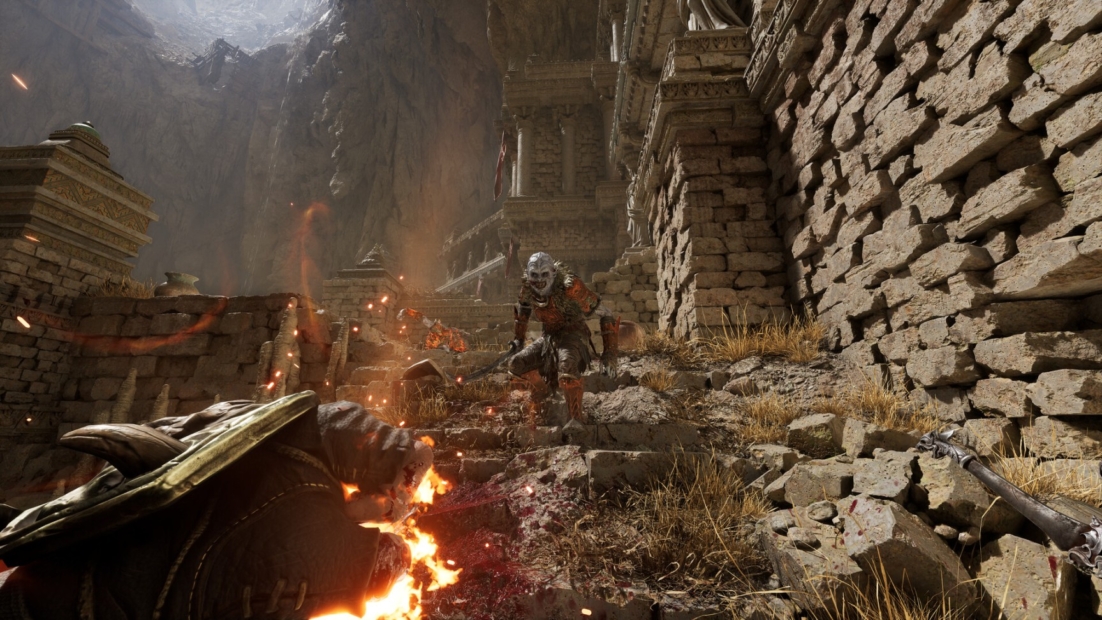
Keep these rules in mind:
- Save about one-third of your stamina before an enemy attack connects
- Block when you already see a committed swing coming
- Dodge before the hit reaches you, not after you trapped yourself in a long combo
- Back away before healing and never drink inside melee range
Blocking is safer than a late dodge while you’re still learning enemy timing. However, dodging becomes more useful once you’re comfortable because it costs less stamina and leaves you with more energy to attack, kick, or escape.
Your kick is one of your best combat tools in Fatekeeper, especially when the environment can help you. Use it when:
- An enemy keeps guarding
- An enemy stands near a ledge
- An enemy gets too close
- A hazard is nearby
A good trick is to stand near a hazard, wait for the enemy to attack, dodge to the side, then kick them into danger. Also watch for shimmering oil puddles on the ground. Hit them with a fire spell, and any enemy standing in the puddle will have a very bad day.
Use Your Telekinesis Right
In Fatekeeper, telekinesis is your way to control the fight before it gets messy. If one enemy is leading a group down a corridor, pull that enemy back first instead of walking into the whole group. After that, you can punish with fire, a spike, a kick, or a quick melee hit.
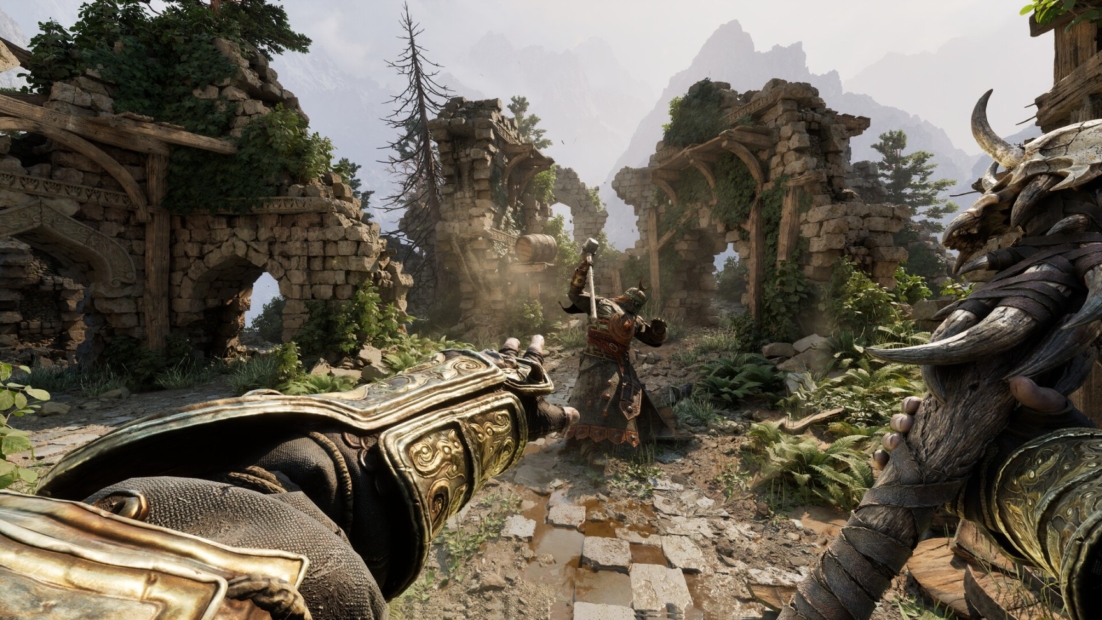
Telekinesis is also your ranged interaction tool while exploring. If a door opens from somewhere else, do not just stare at it or hit nearby objects with your weapon. Use search mode to look for highlighted shields, levers, pulleys, or other objects, then interact from a distance.
Use telekinesis when:
- A group blocks your path
- An enemy is close but not attacking yet
- A highlighted object is out of reach
- You need space to heal
- A hazard is nearby
In combat, it often beats swinging first. Pull an enemy out of position, disrupt their spacing, or drag them toward a trap before committing. You can also topple platforms or move hazards without standing directly under them.
When you need to heal, use telekinesis to disrupt the enemy first. That brief moment of control gives you time to back away and drink safely.
Explore the World
Exploration in Fatekeeper isn’t just about following the obvious path. Look above you for ledges, climbable rocks, and stacked boxes, and check the ground for breakable floors. A hidden chamber, new weapon, or useful shortcut can easily be tucked away just outside your normal line of sight.
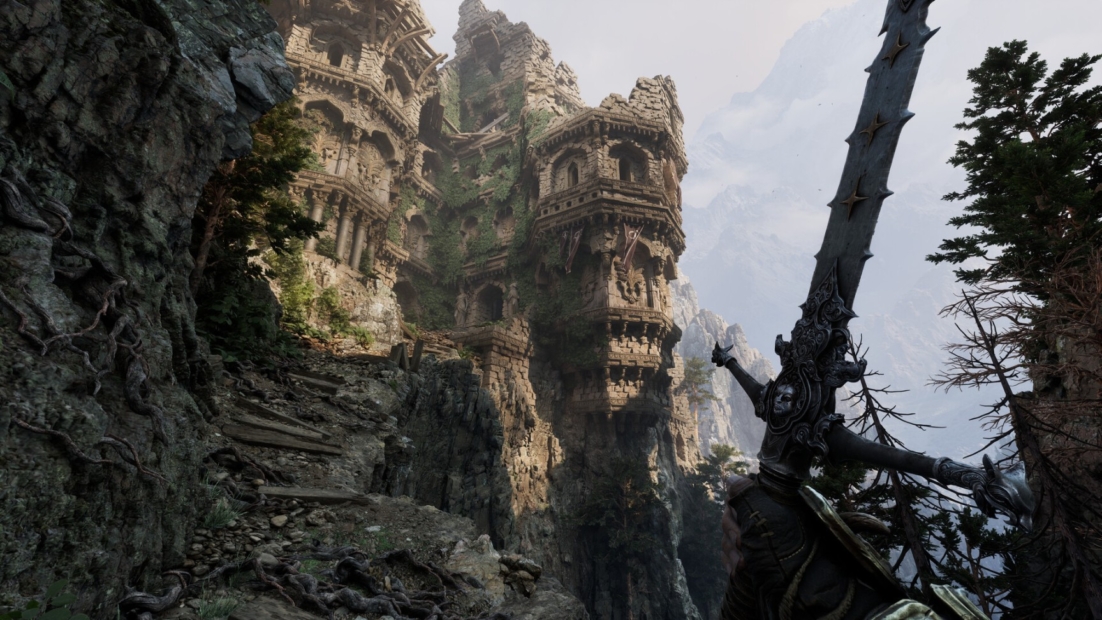
Use your spells when something feels suspicious. Fire can burn or melt hidden barriers, while ice can reveal illusory walls by leaving frost on real surfaces. Some routes are also blocked until you return with the right magic, so remember the strange paths and come back later.
Keep an eye out for classic RPG hiding spots:
- Behind waterfalls
- Under bridges
- Behind boarded doors
- Inside holes in walls
- Above rocky outcrops
- Past breakable floors
The environment in Fatekeeper also teaches you how to approach danger. If you see oil barrels near a narrow path or spike walls beside a bridge, the game is basically handing you a strategy. Read the room, use the hazards, and let the level design do some of the work.
NPCs are worth saving and talking to whenever you can. Some characters remember what you did and later unlock new options at the Sanctuary, such as special gear, skill-point refunds, and additional lore.
More Useful Tips
- Start with a hybrid build rather than locking yourself into a single playstyle too early.
- Loot everything you can find. Fatekeeper rewards careful exploration with unique gear, not random crafting junk. Even a basic-looking ring or item can have a hidden effect, so inspect your finds before selling or ignoring them.
- Listen closely during combat. Enemy attacks often have clear audio cues before they land. A burrowing centipede rumbles, while a charging minotaur gives itself away with a roar.
- Use alchemy to combine useful effects. If one ingredient heals a little, several of them can create a stronger healing potion. You can also mix healing, mana, and stamina materials to make one potion that helps with multiple problems at once.
- Check your shortcut slots if an ingredient doesn’t appear in the crafting menu. Materials assigned to your consumable hotkeys may not show up for crafting. Unequip them first, then check the alchemy screen again.
- Search shelves, bookshelves, and walls instead of only picking plants from the ground. Some rarer materials are hidden among ordinary-looking clutter, including metal shards for bombs or coatings for poison weapon vials.
Enhance your Fatekeeper experience with PLITCH!
With our Fatekeeper tips and tricks, you already know how to fight smarter, explore more carefully, and make better use of your spells. If you want to adjust the adventure even further, the Fatekeeper cheats from PLITCH offer plenty of ways to shape your run.
Use Unlimited Stamina/Mana to dodge, block, cast, and attack without constantly monitoring your resources, or activate Invincible when you want to focus on exploration rather than survival. With Unlimited Quick Slot Items, you can keep your potions and consumables ready at all times, while Easy Kills helps you defeat tougher enemies more quickly.
You can also use Unlimited Jumps, Hover/Fly Mode, teleport saves, movement multipliers, gravity options, and the Global Speed Multiplier to explore the world your way.
Check out this blog and our YouTube channel to learn more about PLITCH!
Happy Gaming!
PakarPBN
A Private Blog Network (PBN) is a collection of websites that are controlled by a single individual or organization and used primarily to build backlinks to a “money site” in order to influence its ranking in search engines such as Google. The core idea behind a PBN is based on the importance of backlinks in Google’s ranking algorithm. Since Google views backlinks as signals of authority and trust, some website owners attempt to artificially create these signals through a controlled network of sites.
In a typical PBN setup, the owner acquires expired or aged domains that already have existing authority, backlinks, and history. These domains are rebuilt with new content and hosted separately, often using different IP addresses, hosting providers, themes, and ownership details to make them appear unrelated. Within the content published on these sites, links are strategically placed that point to the main website the owner wants to rank higher. By doing this, the owner attempts to pass link equity (also known as “link juice”) from the PBN sites to the target website.
The purpose of a PBN is to give the impression that the target website is naturally earning links from multiple independent sources. If done effectively, this can temporarily improve keyword rankings, increase organic visibility, and drive more traffic from search results.
Comments are closed, but trackbacks and pingbacks are open.